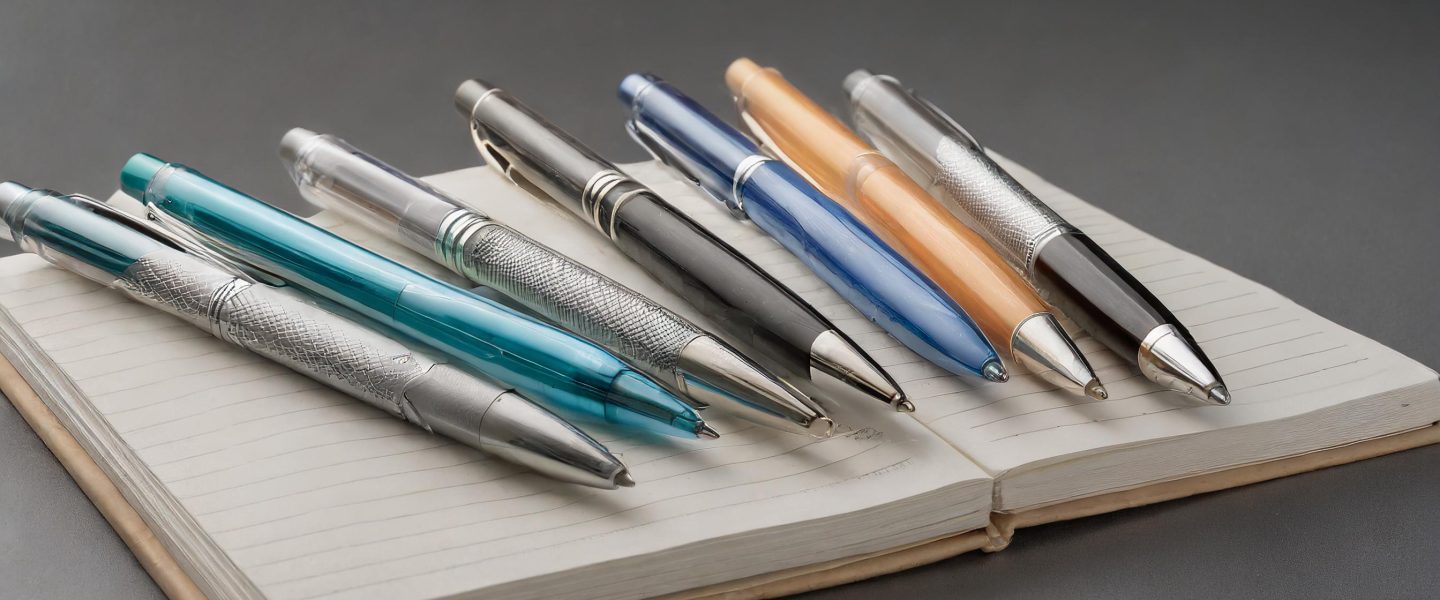

The first thing that struck me about Nevil Shute's "A Town Like Alice" was how old-fashioned it was. I don't mean old-fashioned in the sense of the language it used; the words weren't, for example, 'Dickensian' or 'Austenesque'. It was rather that the sentiment that lay behind it seemed to belong to another era completely. … Continue reading “A Town Like Alice”
Category: Reading
Two new readings
First, about a visit to Deauville, France when on holiday: And second, sitting in a supermarket cafe - part fantasy, but mostly reality! Comment
‘Cocktails in the Infinity Pool’ – a reading
A reading of my poem 'Cocktails in the Infinity Pool', plus the mp3 version of three earlier readings. 'Cocktails in the Infinity Pool' 'A Cracked Voice' 'Approaching the Border' 'Waves are not water' Comment
Readings – updated
I recently published a couple of readings which, I discover, are probably only playable for people with Macs. Apologies. I have now updated the files to the more standard mp3 format and republished the posts: ‘Coast’ – a reading ‘Gas Street Basin’ – a reading Please try them out!
‘Gas Street Basin’ – a reading
A reading of my poem "Gas Street Basin". Comments
‘Coast’ – a reading
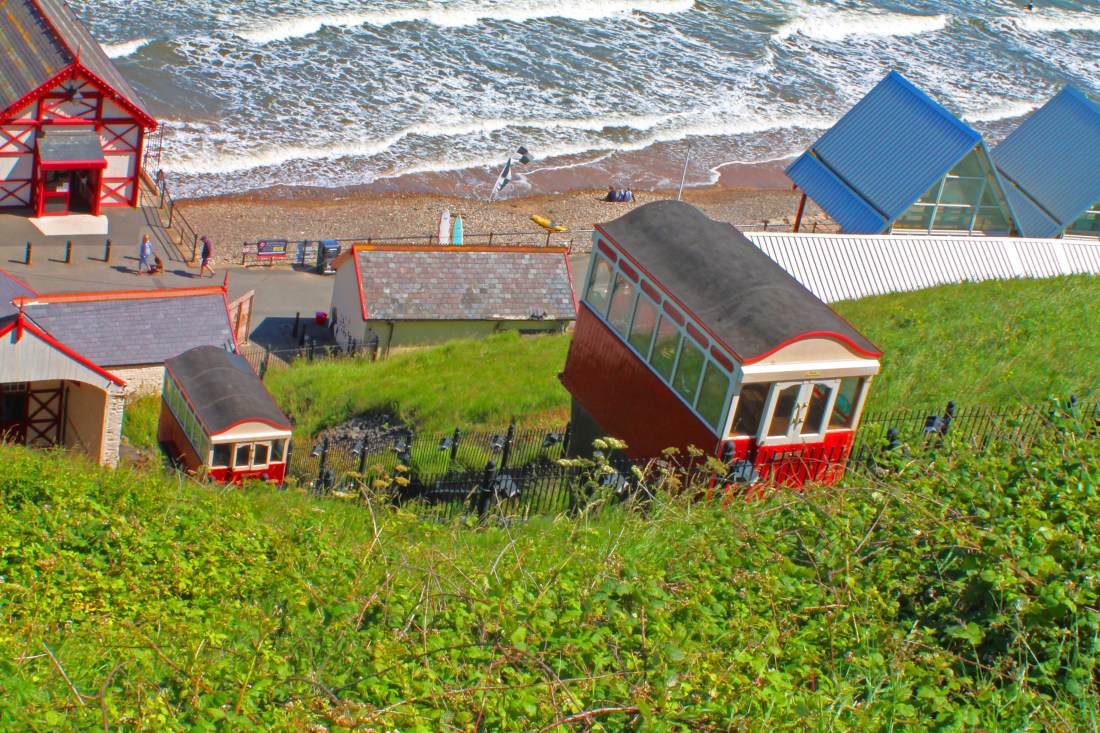
Here is a reading of my poem, 'Coast'. I hope you like it. Comment
“If Cats Disappeared From The World”
As someone who has read just about everything Haruki Murakami has written, Genki Kawamura's "If Cats Disappeared From The World" was on something of a loser from the start. As soon as I realised it was the kind of magic realism tale at which Murakami excels, then comparisons were inevitable - and were also never … Continue reading “If Cats Disappeared From The World”
Approaching the Border
A second reading from my new volume of poetry. "First-time Visions of Earth from Space" (1/1/2019) Comment
“The Master”
Colm Tóibín's "The Master" took far too long to read. Not that it's a bad book; it isn't. It's very well written, in fact; one might almost say meticulous, and in that way almost a homage to Henry James, it's subject. But what I struggled with was, I believe, tone. It is difficult to know … Continue reading “The Master”
“Spring”
For once the blurb on the cover of a book veers dangerously close to the heart of the matter, and, in the case of my edition of David Szalay's "Spring", the key word used is 'contemporary'. It is an unashamedly modern take on relationships - even if a little fanciful at times (who in their … Continue reading “Spring”

